
The Allure of Risk and Reward
Casino gambling captivates many individuals due to the intrinsic allure of risk and reward. The excitement generated by the possibility of winning big can trigger dopamine release in the brain, a neurotransmitter associated with pleasure and reinforcement. This biological response makes the act of gambling not just a pastime, but a psychologically significant experience that keeps players returning for more, regardless of the odds stacked against them. Among the options available, you can find the best new online casinos canada that offer a multitude of games to choose from.

Moreover, the thrill of risk can be deeply ingrained in human psychology. People often seek out challenges that test their luck and skill, pushing their boundaries in a controlled environment. This sense of adventure and the potential for substantial rewards can turn the casino into a playground for adults, offering an escape from the mundane aspects of daily life.
The Social Environment of Gambling
The social dynamics at casinos greatly influence the gambling experience. Many individuals are drawn to the vibrant atmosphere where they can connect with others while engaging in gaming activities. The shared excitement among players creates a sense of community, making the experience more enjoyable and enhancing the psychological appeal of gambling.
This social interaction can provide reinforcement for players, as the presence of peers often encourages them to partake in larger bets or explore new games. The communal experience can also lead to what is known as “social gambling,” where friendships and social networks form around the activity, making it less about the money and more about the shared experience.
Psychological Mechanisms Behind Gambling Behavior
Several psychological mechanisms underpin gambling behavior, particularly cognitive biases that lead individuals to misinterpret outcomes. For example, the illusion of control affects how gamblers perceive their ability to influence game outcomes. Many players believe they can sway results through skill or strategy, even in games governed purely by chance.
Additionally, the concept of “near misses” plays a crucial role in maintaining gambling behavior. When players come close to winning, they may feel a psychological boost, reinforcing their desire to continue playing. This reinforcement creates a cycle that can make it challenging for individuals to recognize the reality of their losses and can lead to problematic gambling behavior.
The Role of Advertising and Casino Design
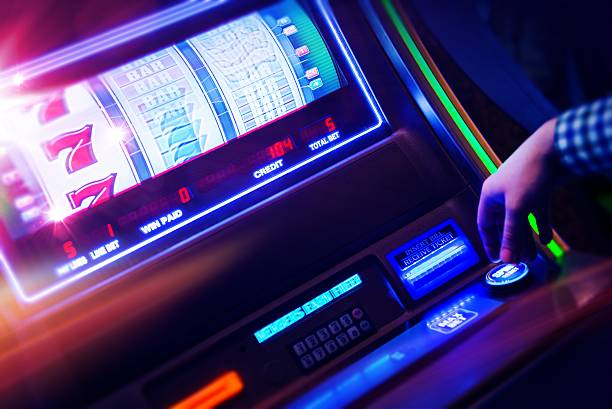
The design of casinos and the strategies they employ to attract players are rooted in psychological principles. From the layout of gaming floors to the sounds and lights that accompany each game, every element is strategically chosen to maximize engagement and prolong playtime. Casinos often utilize bright colors and engaging visuals to create a stimulating environment that captivates the senses.
Advertising also plays a significant role in shaping the perception of gambling as an exciting and glamorous activity. Promotional campaigns often emphasize the potential for huge payouts, tapping into the dreams and aspirations of potential gamblers. This curated portrayal can lead individuals to overlook the risks and focus solely on the excitement of potential wins.
Understanding Responsible Gambling and Resources
With the allure of gambling comes the need for responsible gaming practices. Recognizing the psychological triggers that draw individuals to casinos can empower players to make informed decisions about their gambling habits. Many organizations and resources are dedicated to promoting responsible gambling, offering support for those who may struggle with addiction or have difficulty controlling their gambling behavior.
This website provides valuable insights into the world of gambling, offering users information on responsible practices and resources to access various content online. It’s crucial to understand the limits of gambling and seek help if needed, ensuring that the thrill remains a fun and enjoyable experience rather than a detrimental habit.